
Best Time to Visit Tanzania for Safari: Seasons, Wildlife and Travel Tips
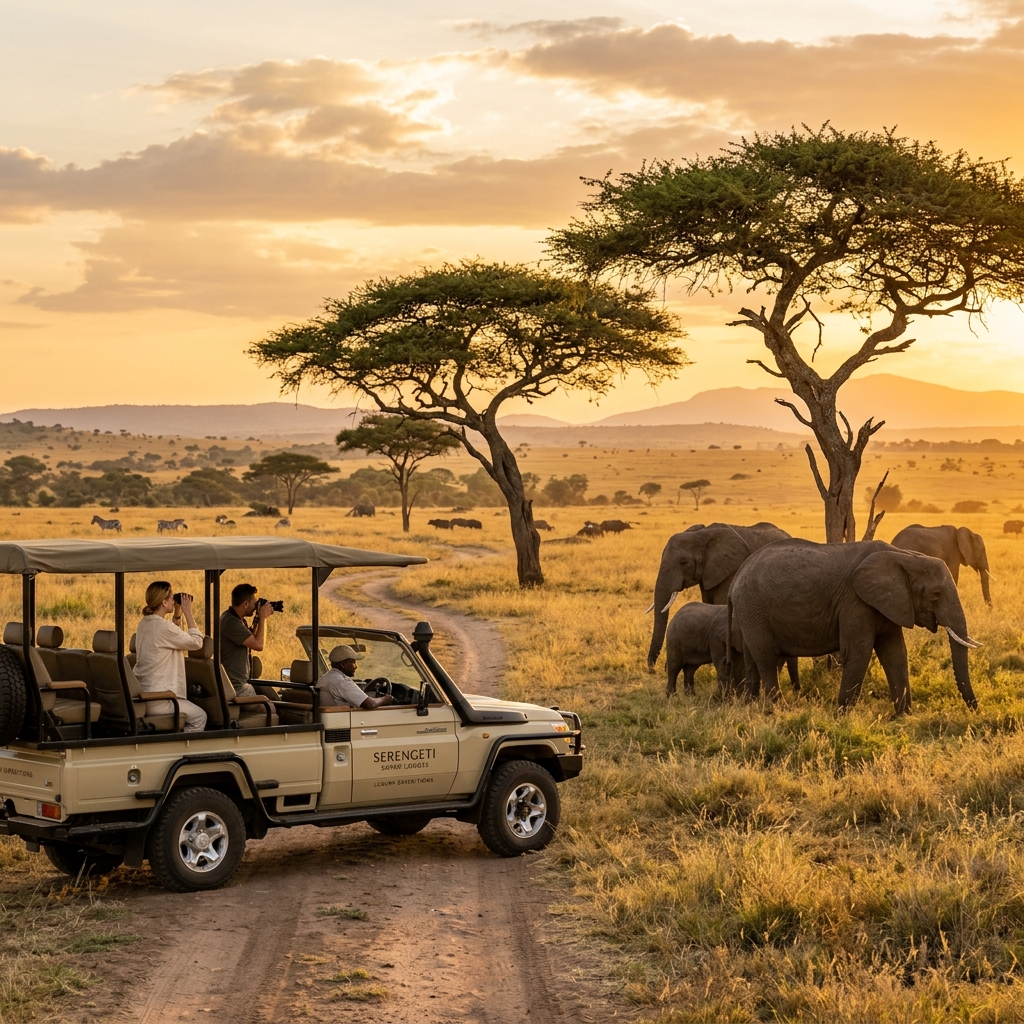
When is the best time to visit Tanzania for a wildlife safari? The direct answer is that Tanzania is a genuine year-round safari destination. Unlike wilderness regions in other parts of the world that close during off-seasons, northern Tanzania’s premier national parks support massive populations of resident wildlife throughout every month of the calendar year.
However, the ideal timing for your personal journey depends entirely on what you wish to experience. A traveller seeking the thundering river crossings of the Great Migration will choose very different months from a photographer looking for emerald-green landscapes and dramatic cloudscapes, a family needing comfortable lodge temperatures and dust-free game drives, or a couple seeking luxury tented suites at low-season rates.
At Smashing Africa Tours, our team of native Tanzanian guides and safari planners based in Arusha spend every week on the ground across these national parks. In this comprehensive, fact-checked guide, we demystify Tanzania's safari seasons, unpack the true mechanics of the Great Migration, compare park-specific highlights, and provide realistic month-by-month advice to help you time your journey with absolute confidence.
Serengeti National Park offers distinct wildlife spectacles across every season of the year.
Tanzania Safari Seasons: Understanding the Four Climate Phases
Tanzania sits just south of the equator, which means it does not experience traditional temperate winters or summers. Instead, the country’s climate is defined by distinct wet and dry phases that govern vegetation density, water availability, and animal dispersal across the savannah.
1. The Peak Dry Season (Late June to October)
The long dry season is widely regarded as the classic window for a Tanzania safari in dry season conditions. During these five months, rainfall is virtually non-existent, skies are bright blue, and daytime temperatures hover comfortably between 25°C and 28°C (77°F to 82°F).
Because natural watering holes and smaller streams evaporate, animals are forced to congregate in dense numbers around permanent water sources, such as the Tarangire River, the Seronera River valley, and the marshlands of Ngorongoro. Furthermore, the grasses wither down to short golden stubble, removing camouflage and making predators—particularly lions, leopards, and cheetahs—substantially easier to spot.
What to keep in mind: This is peak tourism season across East Africa. Iconic regions such as central Seronera and the Mara River viewing points experience high vehicle traffic, and popular safari lodges must be booked 6 to 12 months in advance.
2. The Short Rains (November to December)
November brings the arrival of the mvuli, or short rains. Rather than relentless, day-long downpours, these rains typically manifest as brief, refreshing afternoon showers or overnight thunderstorms, leaving the mornings clear and sunny for game drives.
The rain breathes immediate life into the parched earth. Fresh shoots of nutrient-rich grass sprout across the eastern and southern plains, drawing the migratory herds southwards. Migratory bird species arrive from Europe and North Africa, and dust levels drop dramatically. This period is a favourite among repeat safari travellers who appreciate vibrant scenery, active birdlife, and lower crowd densities.
3. The Calving Season (January to March)
Often referred to as the short dry spell or the green season, January, February, and early March offer extraordinary wildlife drama. While afternoon showers may still occur, the weather is predominantly warm and sunny.
During this period, the short-grass volcanic plains of Ndutu and southern Serengeti become the focal point of East African wildlife. Over half a million wildebeest give birth here within a synchronised three-week window, creating an exhilarating spectacle of newborn calves and intense predator activity.
4. The Long Rains (Late March to May)
The masika, or long rains, peak in April and May. This is tropical Africa at its most fertile and dramatic. The savannahs transform into an ocean of vibrant emerald green, wildflowers carpet the hills, and towering thunderclouds produce magnificent late-afternoon skies.
A Tanzania safari in rainy season months is not for everyone—unpaved dirt roads can become muddy and slick, requiring skilled 4x4 navigation, and some seasonal mobile tented camps close for annual refurbishment. However, for budget-conscious travellers and serious photographers, this season offers immense advantages: luxury safari lodges slash their nightly rates by 30% to 50%, and you will often share vast game-viewing plains with only two or three other vehicles.

The Great Migration is an ongoing, 365-day circular movement following fresh grazing.
The Serengeti Great Migration Calendar: A 365-Day Movement
One of the most persistent misconceptions among first-time safari travellers is that the Serengeti Great Migration calendar consists of a single event that takes place in July or August. In reality, the migration is an unceasing, circular odyssey undertaken by roughly 1.5 million wildebeest, 250,000 zebras, and hundreds of thousands of gazelles across the Serengeti-Mara ecosystem.
The herds do not move on a set timetable; they are propelled by the scent of rainfall, the availability of surface water, and phosphorus-rich grazing. Here is how their circular movement typically unfolds across the calendar:
- January to March (Southern Serengeti & Ndutu Plains): The herds carpet the short-grass plains of Ndutu and the northern edges of the Ngorongoro Conservation Area. Around February, approximately 8,000 calves are born every single day. Lions, cheetahs, leopards, and spotted hyenas patrol the perimeter constantly.
- April to May (Central Serengeti & Moru Kopjes): As the southern pastures are grazed down and the long rains set in, massive columns of animals begin marching northwest toward the Seronera valley and the western corridor.
- June to July (Grumeti & Western Corridor): The herds mass along the banks of the Grumeti River. Here, the animals face their first major aquatic hurdle, negotiating deep channels populated by enormous Nile crocodiles.
- July to October (Northern Serengeti & Mara River Crossings): The herds reach the northern boundary of the Serengeti and the Mara River. The frantic, dust-filled river crossings here are legendary. Herds hesitate on steep escarpments before surging into the roaring river in scenes of high tension.
- November to December (Lobo & Eastern Serengeti): With the onset of the short rains in the south, the herds turn back, traversing the eastern corridor and Lobo hills on their return journey toward Ndutu.
Honest Field Note on River Crossings: Wildlife documentaries edit months of footage into a dramatic 45-minute film. In reality, river crossings are completely unpredictable. A herd may gather at the water's edge for three days without crossing, only to plunge across in minutes when a brave lead animal takes the leap. We always counsel our guests to plan at least 3 to 4 nights in the northern Serengeti if witnessing a crossing is your primary goal.
Destination Comparison: When to Visit Tanzania's Best Parks
Tanzania’s northern safari circuit is celebrated because each national park offers a completely distinct landscape and ecological microclimate. Choosing the right month for each park ensures you experience them at their pinnacle.
Serengeti National Park: Year-Round Excellence
What is the best month for Serengeti safari game viewing? Because the Serengeti spans nearly 15,000 square kilometres, the answer depends on which sector you visit. Central Seronera offers exceptional predator sightings 365 days a year due to resident lion prides and leopard territories. For calving, aim for Ndutu in January through March; for river crossings, position yourself in Kogatende or Lamai between July and October. Explore our dedicated Serengeti National Park Guide for detailed sector maps.
Ngorongoro Crater: Constant Wildlife Abundance
The volcanic caldera of the Ngorongoro Crater provides a permanent sanctuary for roughly 25,000 large mammals. Because water is permanently available on the crater floor, resident populations of black rhinos, elephants, lions, and buffaloes remain within the caldera year-round.
The dry months (June to October) offer thinner vegetation for spotting shy black rhinos. However, the green months (November to April) bring lush emerald grass, nesting flamingos across Lake Magadi, and dramatic mist swirling along the crater rim.
Tarangire National Park: The Dry Season Elephant Capital
If your safari falls between July and October, Tarangire National Park is an absolute must-visit. During the dry season, the Tarangire River serves as the only water source across thousands of square miles. Over 3,000 elephants congregate along the riverbanks alongside massive herds of buffalo, zebra, and oryx beneath ancient baobab trees. In the rainy months of April and May, wildlife disperses onto open communal pastures, making game viewing quieter.
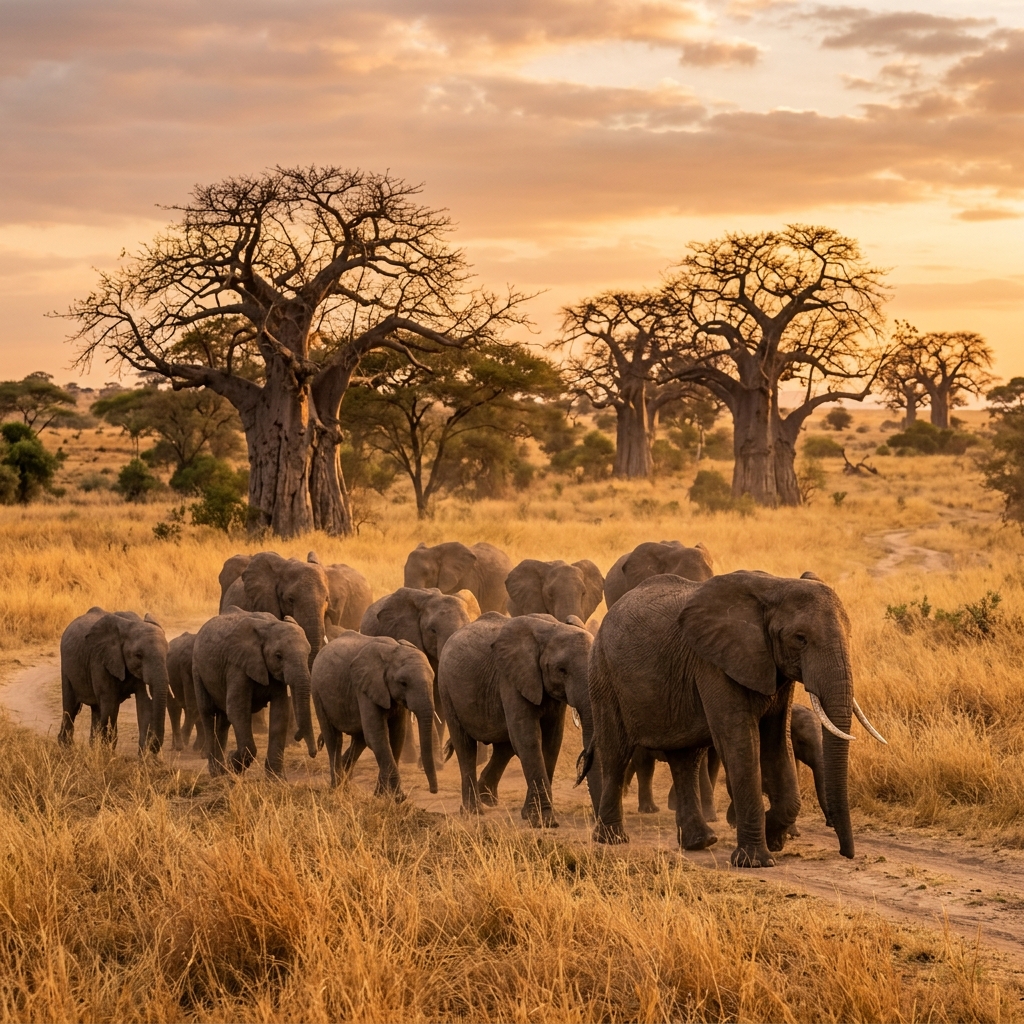
Tarangire's elephant concentrations between July and October are among the highest in Africa.
Lake Manyara National Park: Forest Haven and Birding Paradise
Located at the base of the Great Rift Valley escarpment, Lake Manyara National Park offers dense groundwater forests fed by perennial springs, meaning it remains green and beautiful all year. The dry season is ideal for spotting large mammals and tree-climbing lions, while the wet months (November to May) offer prime conditions for canoeing and observing thousands of migratory waterbirds and flamingos.
Zanzibar Island: Aligning Bush and Beach
For travellers planning a combined Tanzania safari and Zanzibar holiday, coastal weather is an important consideration. Zanzibar is warm year-round (28°C to 32°C), but experiences two rainy seasons. The best months for calm turquoise waters, crystal-clear scuba diving, and sunbathing along Nungwi and Kendwa beaches are July to October and December to February. Learn more in our Zanzibar Island Guide.

Pairing a northern wildlife safari with Zanzibar's tranquil coastline creates the ultimate Tanzanian holiday.
Traveller-Focused Planning: Best Time by Travel Style
For First-Time Safari Travellers
Recommended Window: July to October or January to February
If you are taking your first African safari, you want the classic experience: sunny blue skies, minimal mud, easy predator spotting, and mild evenings. The dry winter months (July–October) or the warm calving season (January–February) offer the most reliable, high-yield wildlife encounters across the entire northern circuit.
For Great Migration Enthusiasts
Recommended Window: July to September (for river crossings) OR February (for calving)
Determine whether your dream is watching predator hunts and newborn calves across endless open savannah (book Ndutu in February) or seeing frantic river crossings over crocodile-infested waters (book Northern Serengeti from late July to September).
For Families Travelling with Children
Recommended Window: July, August, or late December to early January
Families with school-age children typically travel during holiday breaks. July and August offer pleasant daytime temperatures (no oppressive heat), low humidity, and few mosquitoes. Late December is warm, festive, and provides vibrant wildlife viewing before the heavy rains begin.
For Travellers Seeking Peace and Fewer Crowds
Recommended Window: June, November, or early December
Early June marks the tail end of the rains—grass is fresh, dust is low, and peak crowds have not yet arrived. November and early December offer a similar sense of wild solitude, where you can watch a pride of lions for an hour without another safari cruiser in sight.
For Budget-Conscious Travellers
Recommended Window: April, May, or November
While national park conservation fees remain constant, high-end safari lodges and luxury tented camps offer substantial low-season discounts during April, May, and November. A luxury safari that might cost $1,200 per person per night in August can often be booked for $650 to $750 during the green season. For detailed cost projections, review our Tanzania Safari Costs & Pricing Breakdown.
Realistic Practical Planning Advice
Timing your safari involves more than just reading a weather chart. Here are four practical realities our team in Arusha always emphasizes to guests:
- Advance Booking Windows: For peak season dates (July through September, and Christmas/New Year), the best boutique tented camps in the Serengeti and on the Ngorongoro Crater rim sell out 9 to 12 months in advance. Booking early guarantees your first-choice camps and the finest private driver-guides.
- Road Conditions & Travel Times: During the dry season, unpaved park roads are dusty and corrugated, but fast. During April and May, black-cotton soil turns to slick mud; having an experienced native driver-guide and a properly maintained, high-clearance custom 4x4 Land Cruiser is essential.
- Altitude and Layering: Regardless of what month you visit, mornings and evenings on the Ngorongoro Crater rim (at 2,200 metres altitude) are cold (down to 6°C / 43°F). Always pack a warm fleece, windbreaker jacket, and long trousers even if you travel in August.
- Seasonal Park Alignment: Never force an itinerary onto the wrong season. Visiting Tarangire in April while skipping Ndutu, or staying in the Southern Serengeti in August, means missing the finest wildlife concentrations. Always let your travel dates dictate your park choices.
Comprehensive Month-by-Month Tanzania Safari Summary
Use this quick-reference summary table to evaluate how each month aligns with your travel preferences, weather expectations, and wildlife goals.
| Month | Likely Weather Conditions | Wildlife & Migration Highlights | Suitability & Crowds |
|---|---|---|---|
| January | Warm, sunny, occasional brief afternoon showers (28°C / 82°F) | Herds gather on Southern Serengeti & Ndutu plains; predator tracking | Excellent; moderate crowd levels |
| February | Warm, dry spells, pleasant evenings (28°C / 82°F) | Peak calving season; 8,000 calves born daily; intense predator hunts | Exceptional; high demand in Ndutu |
| March | Transition month; rain clouds build by late March (27°C / 81°F) | Herds start drifting toward Central Serengeti; great birdwatching | Good early in the month; fewer vehicles |
| April | Heavy tropical rains; lush green landscapes (25°C / 77°F) | Resident game in Central Serengeti & Ngorongoro; wildflowers bloom | Best for budget travellers & photographers; very low crowds |
| May | Rains taper off toward late May; cool mornings (24°C / 75°F) | Herds enter Western Corridor; lush emerald scenery; dust-free air | Superb value; low season lodge rates |
| June | Dry season begins; cool, crisp mornings; sunny days (25°C / 77°F) | Grumeti River crossings in Western Serengeti; resident game active | Excellent sweet spot before peak summer crowds |
| July | Dry, clear skies; cold mornings on crater rim (25°C / 77°F) | Mara River crossings begin in North Serengeti; Tarangire river fills with elephants | Peak season; book well in advance |
| August | Dry, sunny, pleasant temperatures; minimal dust in forest zones (26°C / 79°F) | Dramatic Mara River crossings; massive elephant herds in Tarangire | Peak safari season; high lodge occupancy |
| September | Dry, warm, excellent visibility; dusty plains (27°C / 81°F) | Continued Northern Serengeti river crossings; peak predator tracking | Peak season; superb game viewing |
| October | Warmest dry month; dry watercourses; clouds build late in month (28°C / 82°F) | Final river crossings; dense animal clusters around Tarangire River | Excellent; crowds ease toward late October |
| November | Short rains begin; brief afternoon showers; fresh greenery (27°C / 81°F) | Herds journey south across Eastern Serengeti; migratory birds arrive | Very good; quiet parks & great value |
| December | Warm, lush, intermittent showers; festive atmosphere (28°C / 82°F) | Herds arrive on Southern plains; thriving resident game across all parks | High holiday demand from mid-December |

Every Smashing Africa Tours itinerary is custom-crafted around real-time seasonal movements.
Plan Your Tanzania Safari with Smashing Africa Tours
Ultimately, there is no single "wrong" month to experience Tanzania. The secret to an extraordinary safari lies in matching your travel window to the right national parks, accommodation tiers, and geographical sectors.
At Smashing Africa Tours, our team—led by Anna Godfrey and our veteran native guides—takes the guesswork out of safari planning. Because we are based directly in Arusha, we track weather shifts, road conditions, and herd movements every single day. We don't sell rigid, pre-packaged group tours; we listen to your travel wishes, budget, and timing, then build a private, tailor-made safari from scratch.
Ready to plan your Tanzania safari?
Speak directly with our local destination experts in Arusha to design a custom itinerary tailored around your exact travel dates, wishlist, and budget.
"Let Your Imagination Wander."
Smashing Africa ToursAbout Smashing Africa Tours
We write expert travel journals compiled by native safari planners and certified rangers in Arusha, Tanzania, ensuring your holidays are safe, authentic, and unforgettable.